



Apollo.io Review (2026): the BEST B2B Sales Database Software?
TL;DR: Apollo.io is a lead finding powerhouse first, an outreach tool second
✅ Database: one of the largest and most complete B2B contact databases, with the actual emails and phone numbers Sales Navigator does not give you (though you lose the profile pictures that help you eyeball fit).
✅ Filters: advanced targeting like technology used, VC funding raised, hiring signals and buying intent, so you can build hyper specific lists like B2B startups in New York already running Intercom.
✅ Data quality: coverage is broad but not always fresh since Apollo rescrapes every few months, and cheap enrichment means some emails bounce, so you may need a separate verification tool like Findymail or BetterContact.
✅ Outreach: email sequences and calling exist and beat Outreach or Salesloft for low volume reps, but scaling cold email gets expensive and deliverability protection is weak, so heavy senders pair it with a dedicated tool like Smartlead.
✅ Pricing: free plan plus paid tiers from ~$49 to ~$149/user/mo, still attractive next to ZoomInfo, though credits gate exports and phone numbers and unlimited email really means about 10,000/month.
✅ Best for: teams that want strong value on a lead database and are fine pairing Apollo with a dedicated cold email tool and a real CRM like Breakcold or Pipedrive (both native integrations that enrich contacts in one click).
If you’re working in B2B sales, you probably already know Apollo.io 👀.
Over the last few years, they completely smashed the competition by becoming a very solid all in one B2B sales software 📈.
But is it really that good?
Apollo began as a lead database after all, so is it actually legit as a fully fledged B2B sales software? Let’s find out guys 🔍.
What is my opinion on Apollo
Apollo is an all in one sales tool to find leads and contact them.
From my view, Apollo is mostly known and used to find leads 🔎.
Over the years, they’ve really made a name for themselves with their lead database, which was very cheap and still is to this day, even with the price increase 💰.
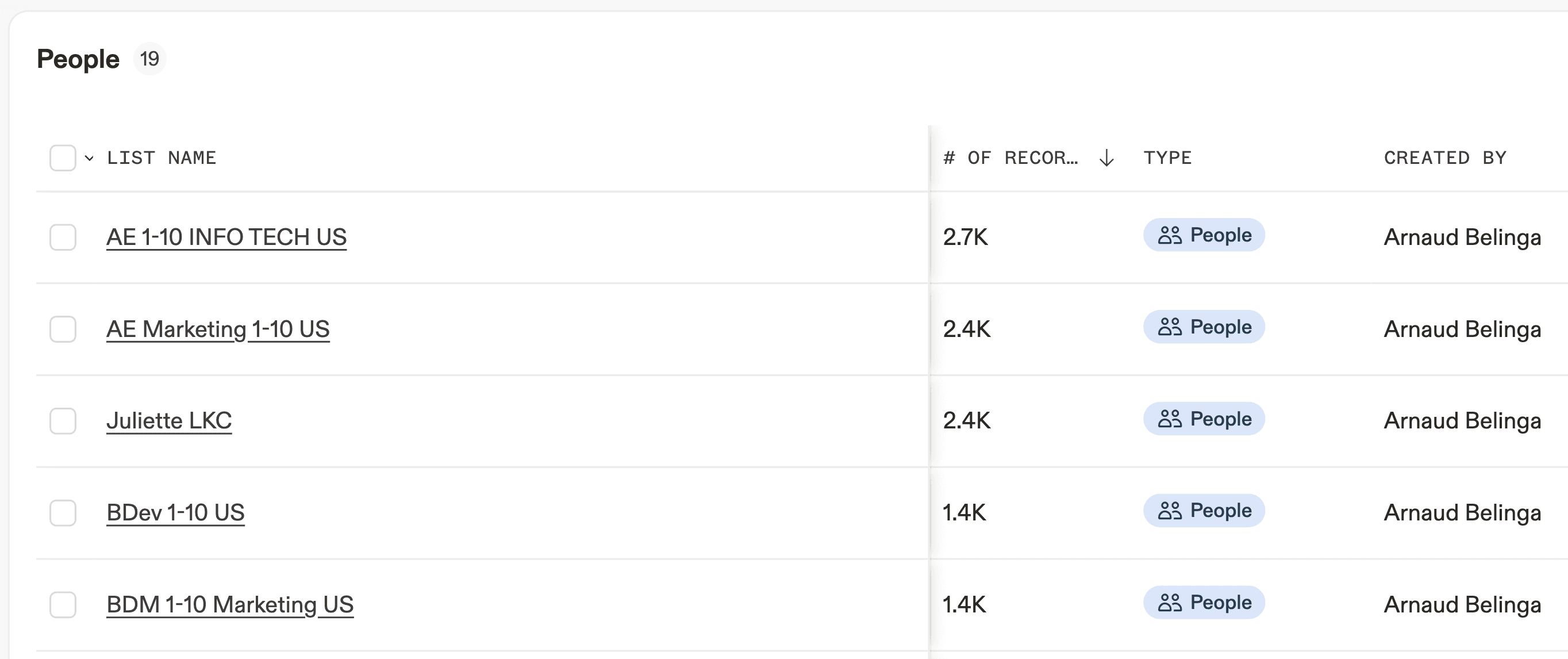
I’ve been using Apollo for over 3 years now, only to find leads.
But first, here are my quick pros and cons of Apollo 📋.
Pros of Apollo:
Most complete lead database on the market 🗃️
Many filters available to build your perfect ICP (Ideal Customer Profile) 🎯
Not expensive compared to platforms like ZoomInfo 💰
Cons:
Some data can be outdated ⏳
Email addresses and phone numbers are not always valid. You’ll need to use another tool to validate data or re enrich leads 📧
Limited outreach capabilities if you want to get great results 🚧
Features that made Apollo Famous
Apollo has made a name for itself with its Lead Database, let’s dive into its functionalities.
The Lead Database
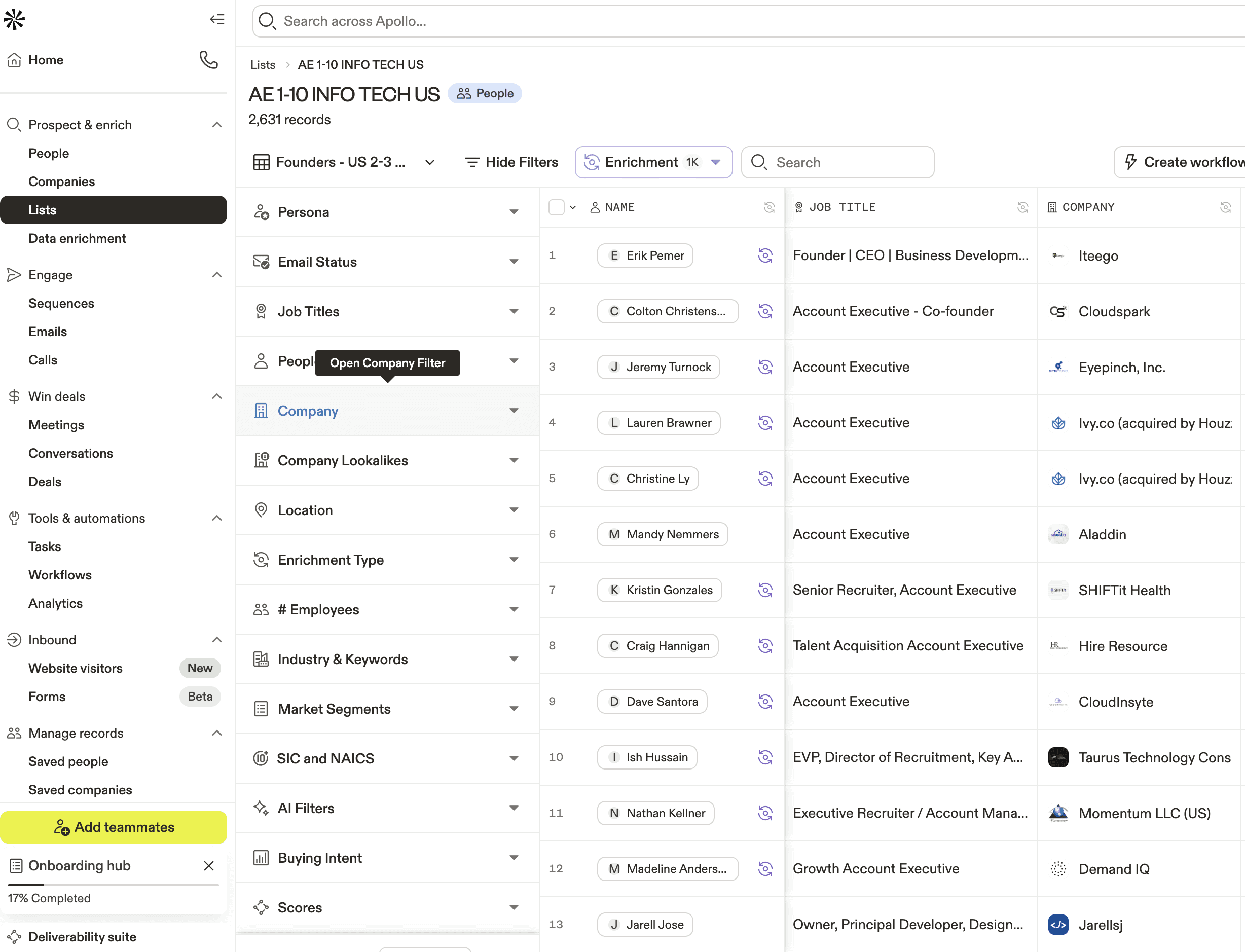
The lead database of Apollo allows you to find leads anywhere in the world 🌍.
Apollo builds this database by scraping multiple platforms every X months.
This led to scandals, as** LinkedIn recently banned Apollo** from their platform by banning their company page because they were scraping LinkedIn Sales Navigator and LinkedIn in general too heavily to improve their database.
This makes sense, as LinkedIn and LinkedIn Sales Navigator are arguably the source of almost every database software out there.
However, it was and still is impossible to find the emails and phone numbers of your leads directly in Sales Navigator, which is why Apollo thrived 📞📧.
The database is basically the same as LinkedIn Sales Navigator but better, because you actually have the contact information of your leads.
The downside of the database, I’d say, is that you cannot see the profile picture of your leads.
This sounds unimportant at first, but on Sales Navigator, I can literally tell if a lead is a good fit just by seeing their face and how they present themselves online.
Nevertheless, the database is awesome, and I use it to build lead lists for my different Smartlead campaigns 👍.
Advanced Filters
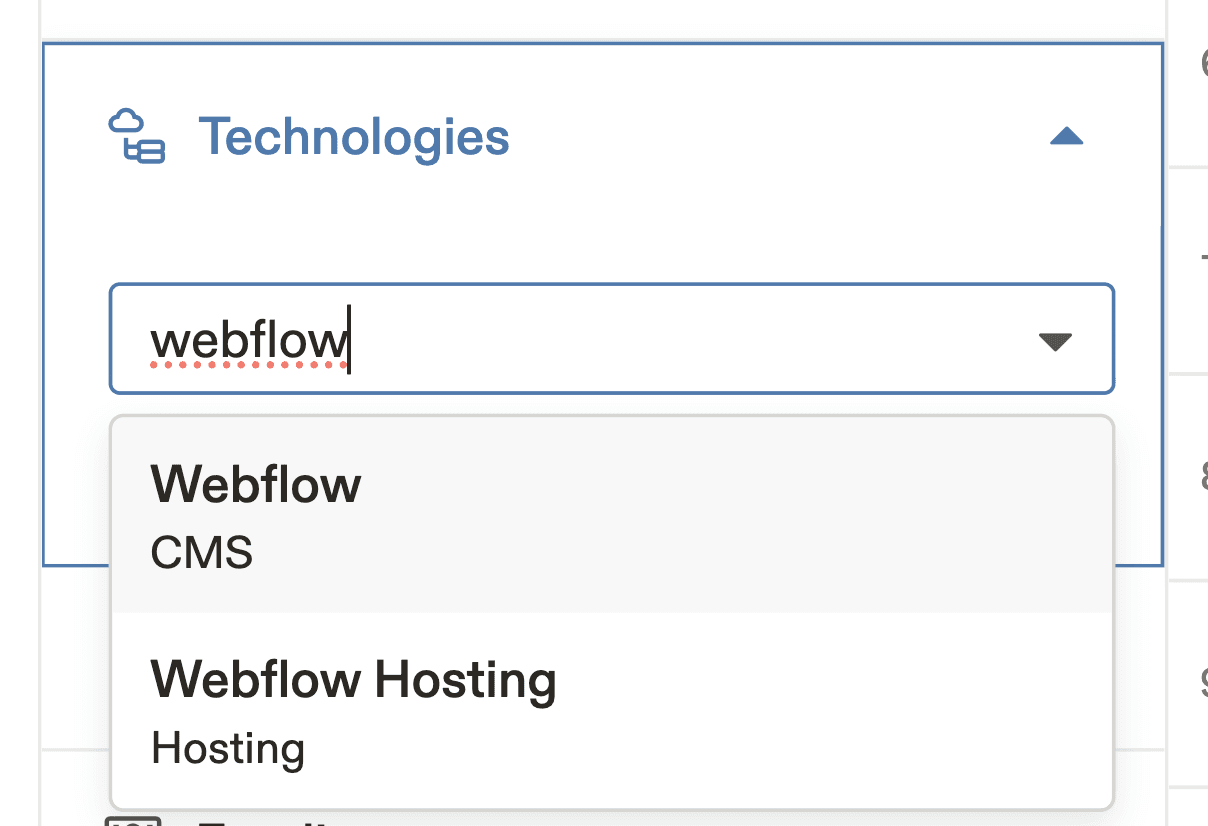
Apollo offers many unique filters in its lead database.
My favorite one is that you can search leads by the technology they’re using 🧩 (a bit like Builtwith).
So for example, let’s say you want to reach out to B2B startups in New York to sell them your live chat software that is 10x better than the others.
At first, it’s quite difficult to know which startups to reach out to. Ideally, you want businesses that already use a live chat software and you don’t want to target people who don’t have the budget, the team, or the need for it.
Therefore, your dream prospect will be a business that is already using a live chat software, and your job will be to make them switch to your tool instead 🎯.
With Apollo, you can solve this problem by filtering only B2B startups in New York that are using Intercom, a well known live chat software.
As you can imagine, this leaves room for endless super targeted outreach campaigns 📈.
Other advanced filters of Apollo that I like using:
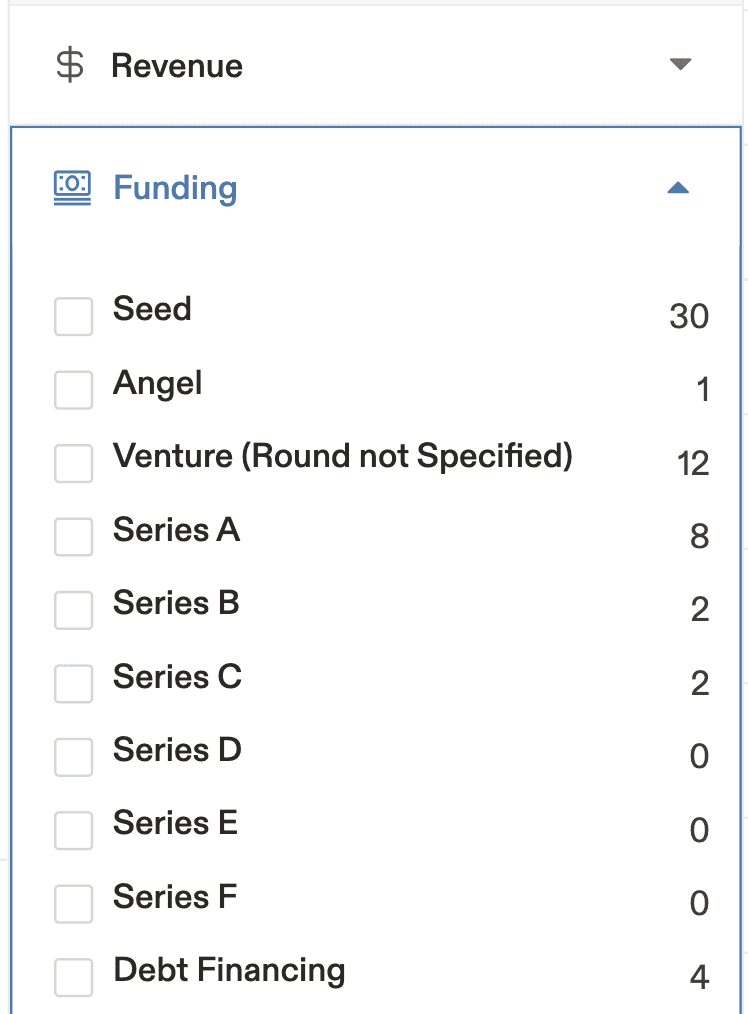
amount of VC money raised
buying intent
hiring for a specific role
Is the Database always up-to-date?
The lead database is not always up to date, though, because Apollo scrapes different platforms across the internet every X months ⏳.
However, people don’t change jobs every day, so since Apollo has mapped a massive portion of the leads available on the market, they are usually able to update it fairly quickly 🔄.
The real problem, in my opinion, is more on the data quality side.
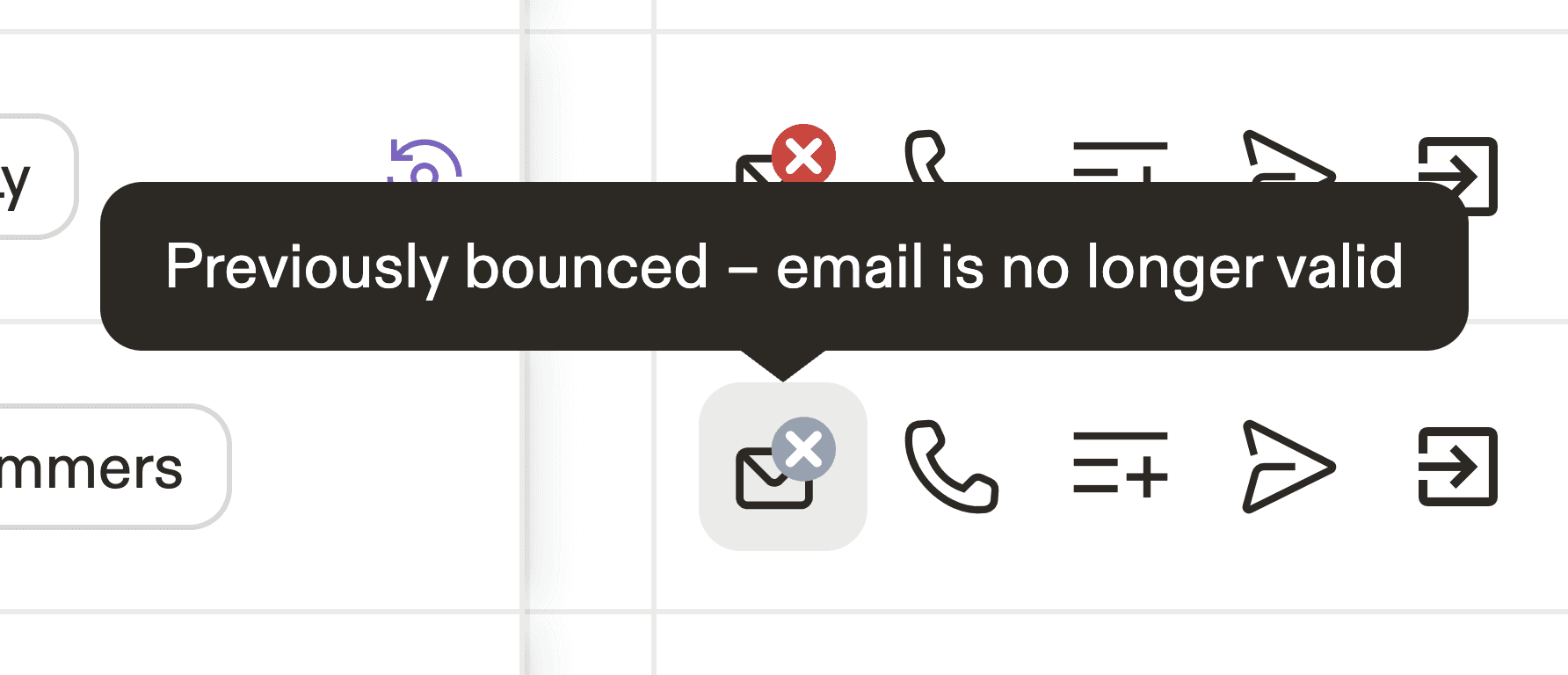
Apollo tries to enrich data at an affordable price, which leads to email addresses being found without proper validation. As a result, your bounce rate during email campaigns can be very high, which can seriously damage your email deliverability ⚠️📧.
Email Sequences & Calling capabilities
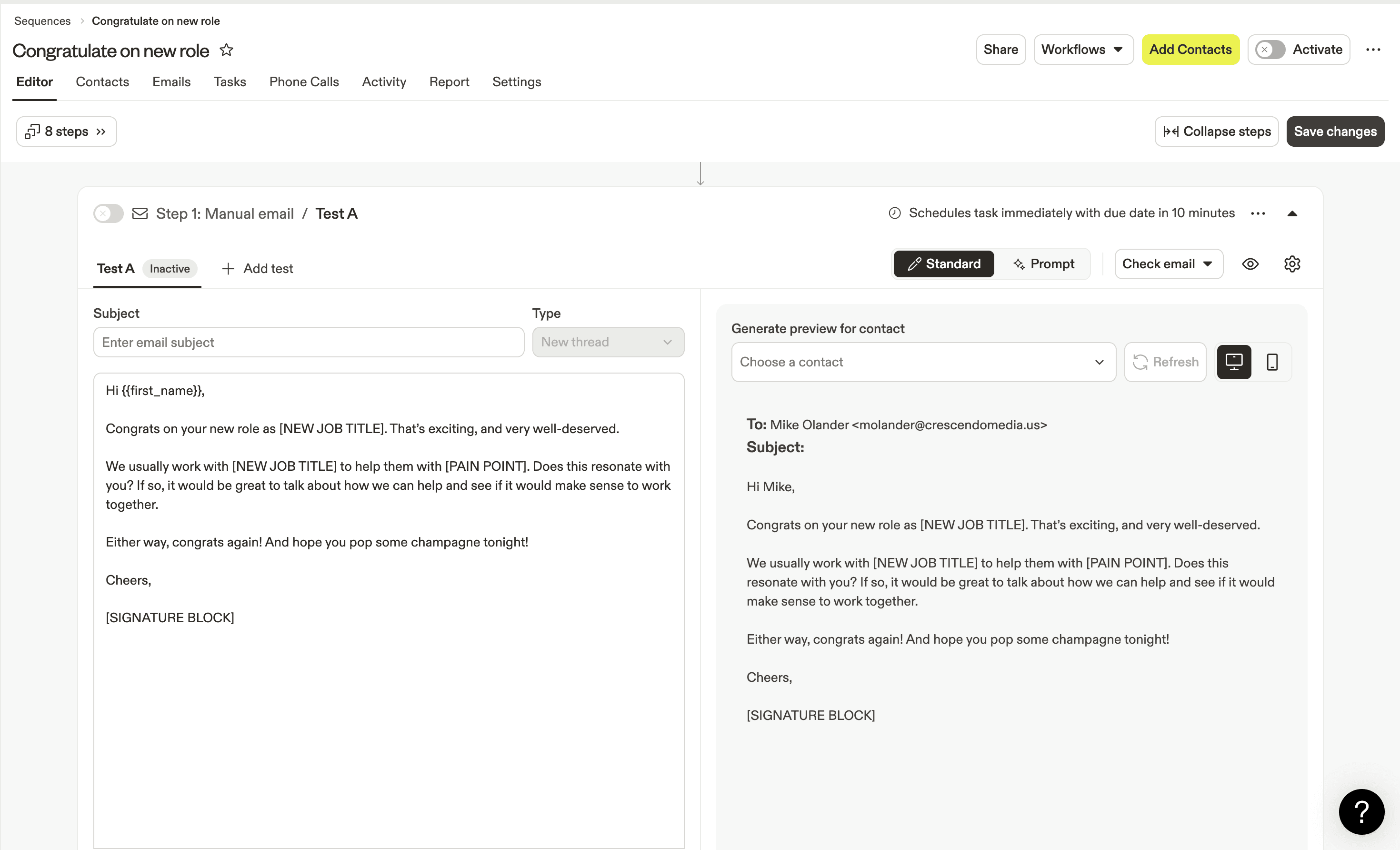
After its massive success as a lead database, Apollo expanded to offer cold outreach features to its clients.
This was a super smart move for SaaS retention, but also a great way to give clients an all in one sales tool 📦.
However, I’m not a big fan of Apollo’s outreach capabilities for a couple of reasons.
First, when it comes to sending cold emails, you cannot do it at scale without paying a lot. This makes Apollo not a great solution for scaling cold emailing 💸.
Second, Apollo has no real ambition to become an excellent email deliverability protector, which is why dedicated cold emailing softwares are thriving.
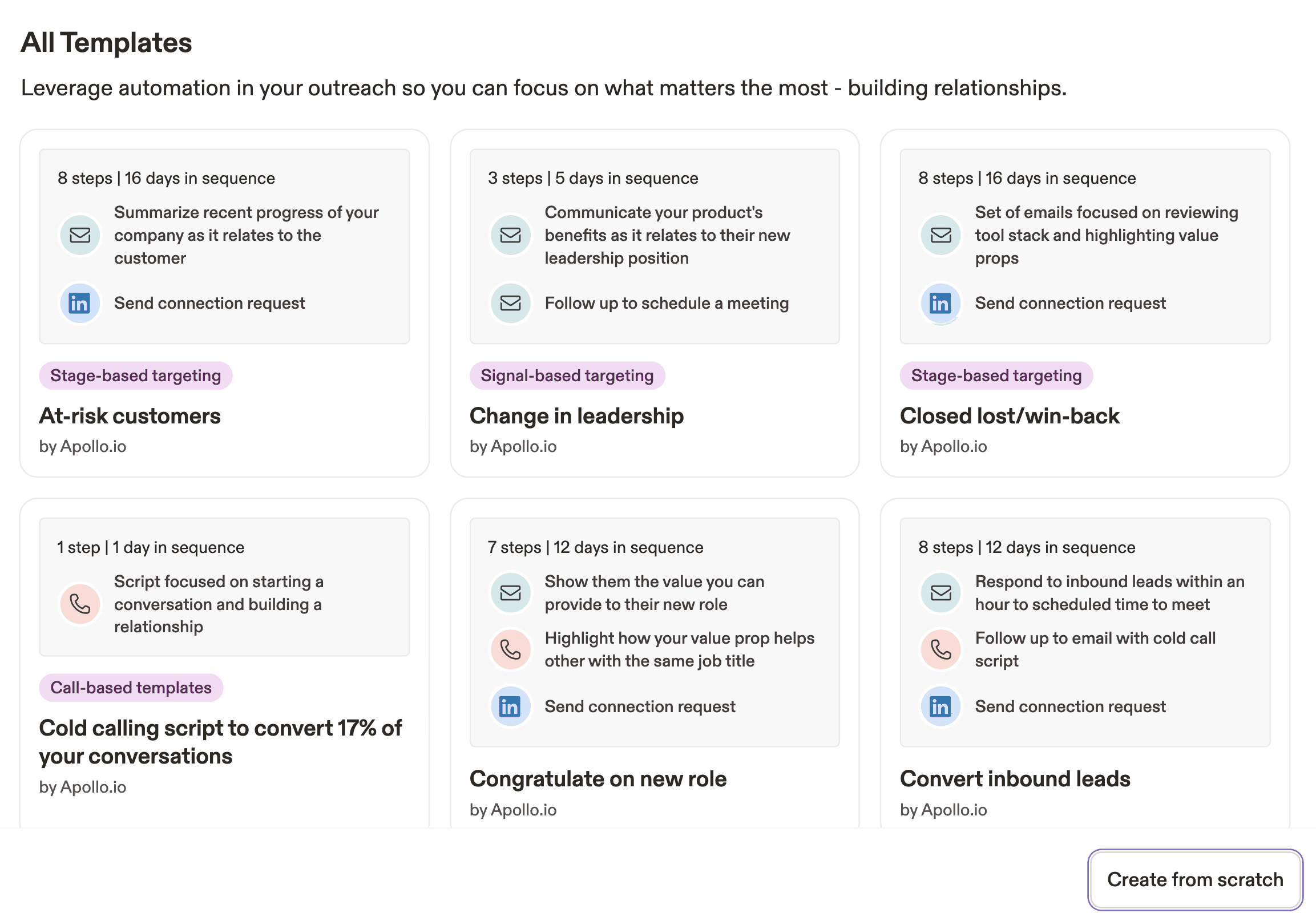
By using Apollo, you’ll have fewer chances to reach the primary inbox of your leads unless you use a dedicated and separate software for email warm up 📬.
That said, if your goal is to have sales reps doing cold calling and sending email campaigns, but not at scale, Apollo is definitely a better solution than softwares like Outreach or Salesloft 👍.
Some CRM capabilities
Technically speaking, Apollo is not a CRM, but you can save contacts in different lead lists 📂.
From there, you can dispatch leads into your Apollo outreach campaigns 📤.
In that regard, it works like a micro CRM built specifically for cold outreach 🎯.
Integrations of Apollo
Apollo has a fair amount of native integrations making it one of the best all-in-one sales tools for that.
CRM Integrations with Breakcold & more
Loading YouTube sends it your IP address and may enable cookies. This applies to this content only.
First, Apollo integrates natively with Breakcold 🔗.
By using your Apollo credits, you can enrich your CRM contacts inside Breakcold with valid B2B email addresses and phone numbers in 1 click, in bulk, or automatically ⚡️.
This allows you to use the power of Apollo directly inside the CRM.
Apollo also has many other CRM integrations with tools like Pipedrive, where you can push your lead lists directly into the CRM 📥.
Depending on the CRM integration, you can also sync Apollo’s activities in the CRM, such as emails sent and calls made.
Other Native Integrations
Apollo also integrates with other tools like Clay, where customers send data to Clay to personalize their cold email sequences and then send that data back to Apollo for email sequencing 🔄.
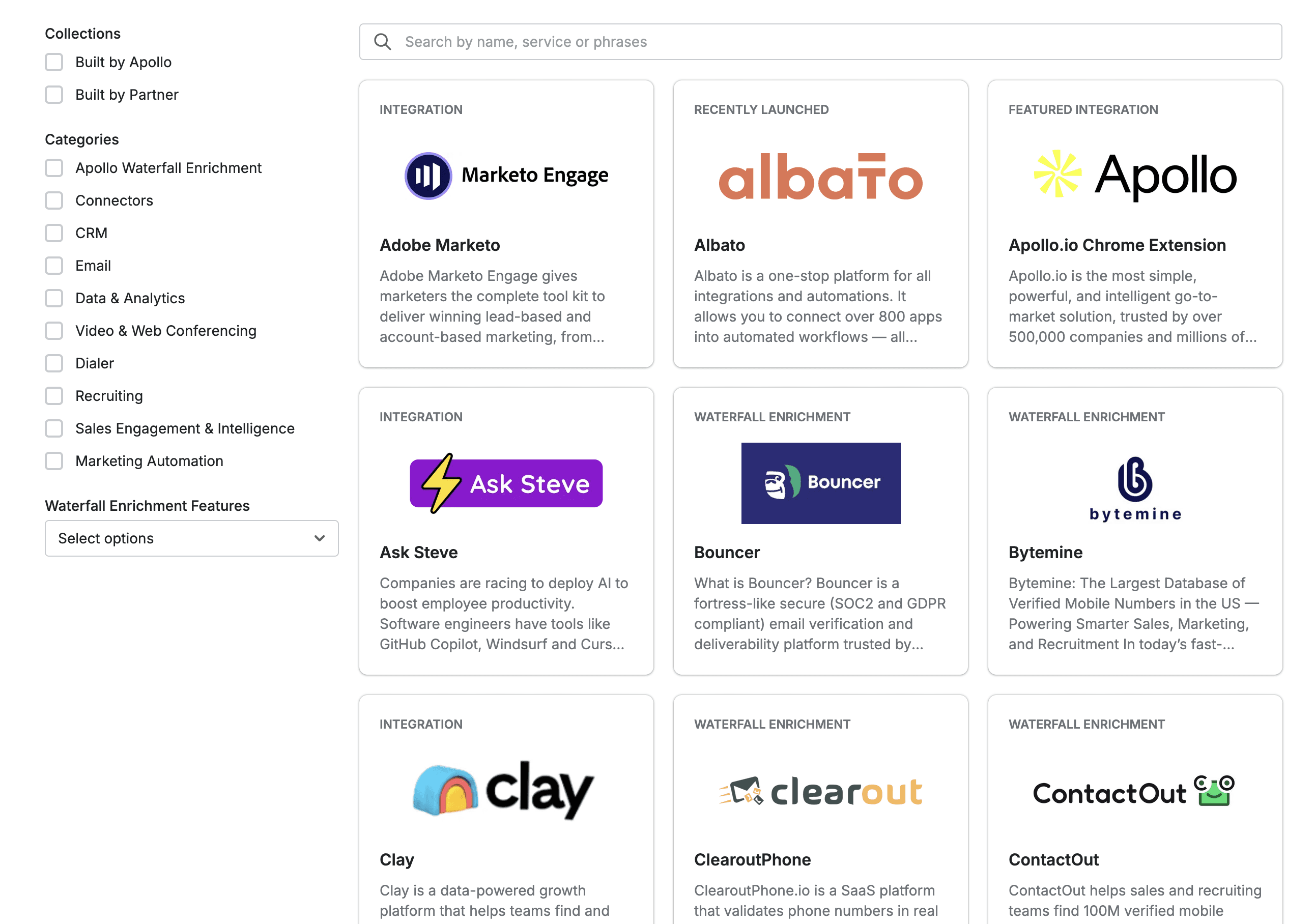
Apollo also has an integration with Findymail, for example. This one is interesting because it clearly highlights that Apollo’s forte is not its email or phone enrichment rate, even though it is one of the most used lead databases on earth 📊.
What we can also notice is that on their integration page, they do not have many native integrations, which sounds quite odd given the size and revenue of Apollo 🤔. It is similar to Instantly.ai, a big software with big revenue but very few native integrations.
Pricing
Apollo’s pricing has evolved a lot over the years 📊.
I’m a lucky guy because I have a legacy plan where I only pay $19/mo for what is now the $99/mo plan 🍀.
Here’s a short, efficient, casual breakdown of Apollo.io pricing (sales & lead-gen platform):
🆓 Free
$0 forever
Basic access (limited credits, search & outreach tools)
Good for trying it out or super small use cases
💡 Basic (~$49/mo if billed annually, ~$59/mo monthly)
Entry paid tier
More credits & data access
Advanced search filters, workflow tools & integrations
Unlimited email sends (credit limits apply on phone/exports)
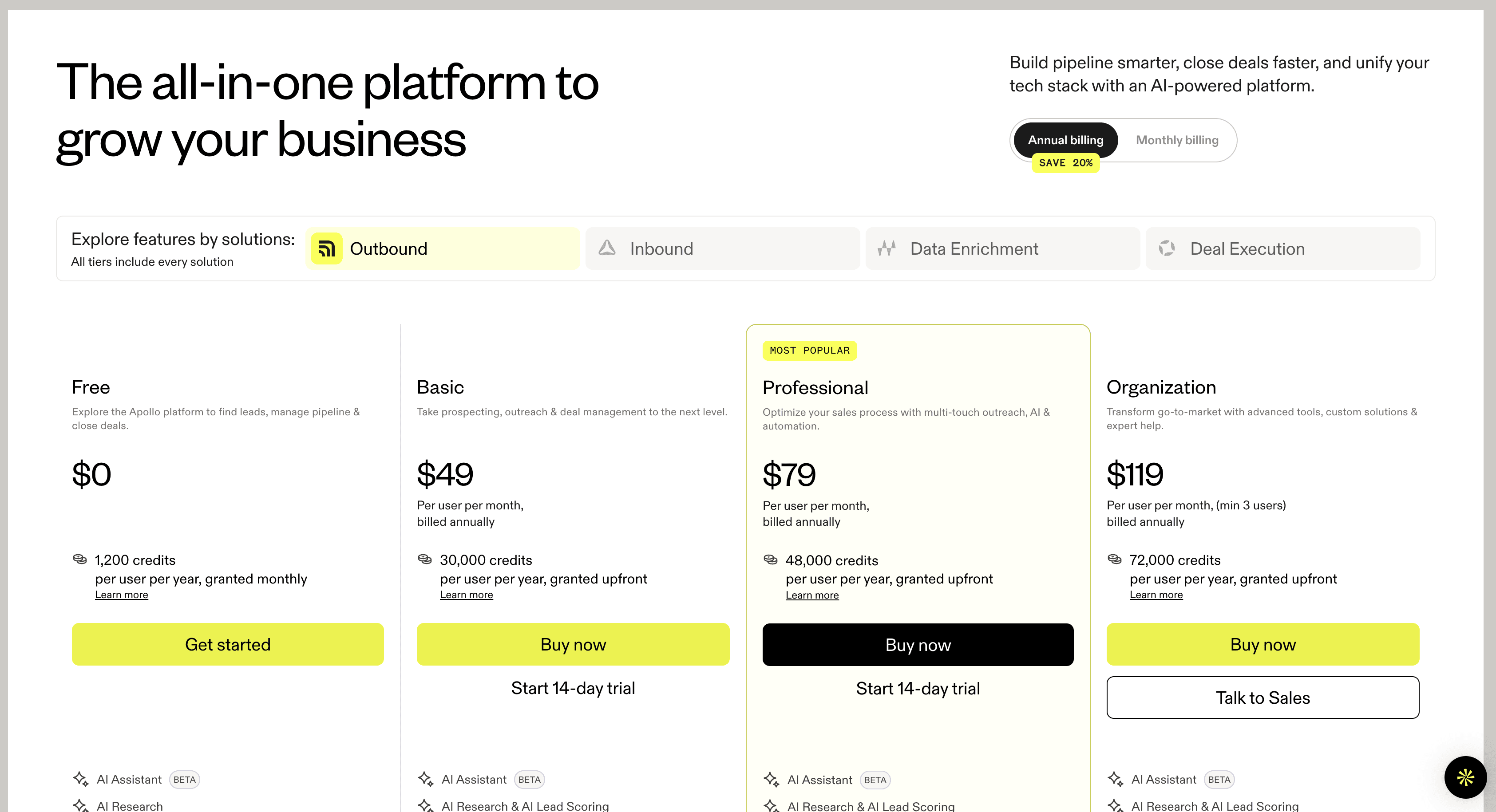
🚀 Professional (~$79/mo annually, ~$99/mo monthly)
Everything Basic + more data credits
Dialer features (calls), automated workflows, better reporting & analytics
🏢 Organization (~$119/mo annually, ~$149/mo monthly, min 3 users)
Most features unlocked
Even more credits, advanced security (SSO), custom dashboards, bigger analytics suite
⚠️ Note
Apollo uses a credit system for things like exporting contacts or getting phone numbers — so total cost can go up if you use lots of data.One thing that is a bit deceiving with Apollo is that they tell you that you have unlimited credits to find lead data, which is not true ⚠️.
There is actually a fair use limit of around 10,000 credits per month.
How Apollo compares to its biggest competitors?
Apollo has many direct and indirect competitors.
Apollo vs LinkedIn Sales Navigator
Loading YouTube sends it your IP address and may enable cookies. This applies to this content only.
LinkedIn Sales Navigator is definitely a competitor to Apollo.
Sales Nav is the most up to date lead database on the planet because most platforms rely on it to build their own databases 🌍.
So yes, Sales Nav is better in terms of freshness. But the problem with Sales Navigator is that for $99 per month, you can find leads but you have no way to reach out to them beyond LinkedIn.
For the same $99 per month, Apollo gives you more advanced filters and the actual data to contact prospects via email and phone 📧📞.
Apollo is the winner unless you are a heavy LinkedIn power user 👤.
Apollo vs ZoomInfo
This one will be short because there is no match for me: Apollo wins 🏆.
ZoomInfo’s pricing is a disaster 💸. I get that it is designed for large enterprises where a lot of compliance is involved, but Apollo is also extremely compliant and does not charge nearly as much.
ZoomInfo might have better data quality from time to time 📊, though.
Apollo vs Instantly & Lemlist
Apollo started with finding leads and expanded into cold outreach.
Lemlist and Instantly started with cold outreach and expanded into finding leads 🔁.
They are definitely competitors these days, and dangerous ones I’d say, because they do what Apollo does but in a better way ⚠️.
Apollo still wins over Instantly because the latter doesn’t offer calling 📞.
But against Lemlist, it’s hard to position Apollo as the winner these days. Lemlist is also stronger when it comes to reaching out to leads on LinkedIn, which gives it a huge advantage 💬.
Apollo vs Niched tools that find Emails/Phones
Niched tools to enrich data like Findymail or BetterContact are better than Apollo when it comes to finding high quality data 🧠📧.
But they still lose the battle if you are looking for a true all in one sales tool 🧰.
Frequently asked questions

Written by
Arnaud Belinga · Co-Founder & CEO at Breakcold
Arnaud is the Co-Founder & CEO of Breakcold, the AI Native CRM for sales teams of 5 to 30+ people.