



Best 5 AI CRM Alternatives to HubSpot in 2026
TL;DR: HubSpot lost the AI race, here is the honest 5-pick shortlist 🏆
🏆 Breakcold: the AI Native CRM for sales teams of 5 to 30+ people. AI agents handle the admin (move deals, log activity, create tasks), it connects to Claude and ChatGPT via native MCP, and it syncs LinkedIn, email, WhatsApp and Telegram into one pipeline. At 5 seats Breakcold is $139/mo, where a traditional CRM runs $300 to $500/mo.
🟢 Close: the cold calling CRM, native dialer, SMS, WhatsApp, ChatGPT integration for in-CRM chat.
🔵 Attio: flexible like HubSpot, AI blocks inside workflows, great for PLG startups, gets pricey on credits.
🟣 Pipedrive: still the SMB default if you want stability, but their AI is bolt-on and the product hasn't really moved since the PE acquisition.
🟠 Folk: lightweight, good UI, made for solopreneurs and small founder-led teams, not for proper sales teams.
⚫ HubSpot itself: turns 20 in 2026, carries massive technical debt, Breeze AI is mostly summaries and suggestions, not core automation.
When I wrote my full breakdown of HubSpot Sales Hub, one thing became obvious: AI is not the forte of the second biggest CRM in the world 🤔.
Then I asked myself why HubSpot's AI is not great, what the actual alternatives are, and whether Breakcold even competes when people are specifically looking for an AI sales CRM.
In this article, I'll walk through the 5 best AI CRM alternatives to HubSpot in 2026, explain why the legacy giants struggle in the AI era, and tell you which one fits which kind of team. I'll also drop in the testimonials and migration messages I've collected from people who actually made the switch 🚀.
Why HubSpot is no longer a viable CRM for the AI world
First, you need to understand that HubSpot turns 20 years old in 2026.
Two long decades in the CRM game, climbing the ladder step by step, congrats. But such success comes with a price: technical debt 🧱.
No matter who you are, when you are a gigantic software serving hundreds of thousands of customers, you cannot move fast without breaking existing services. Harvard professor and businessman Clayton Christensen explained this very well in his book The Innovator's Dilemma. The bigger you are, the harder it is to innovate 📚.
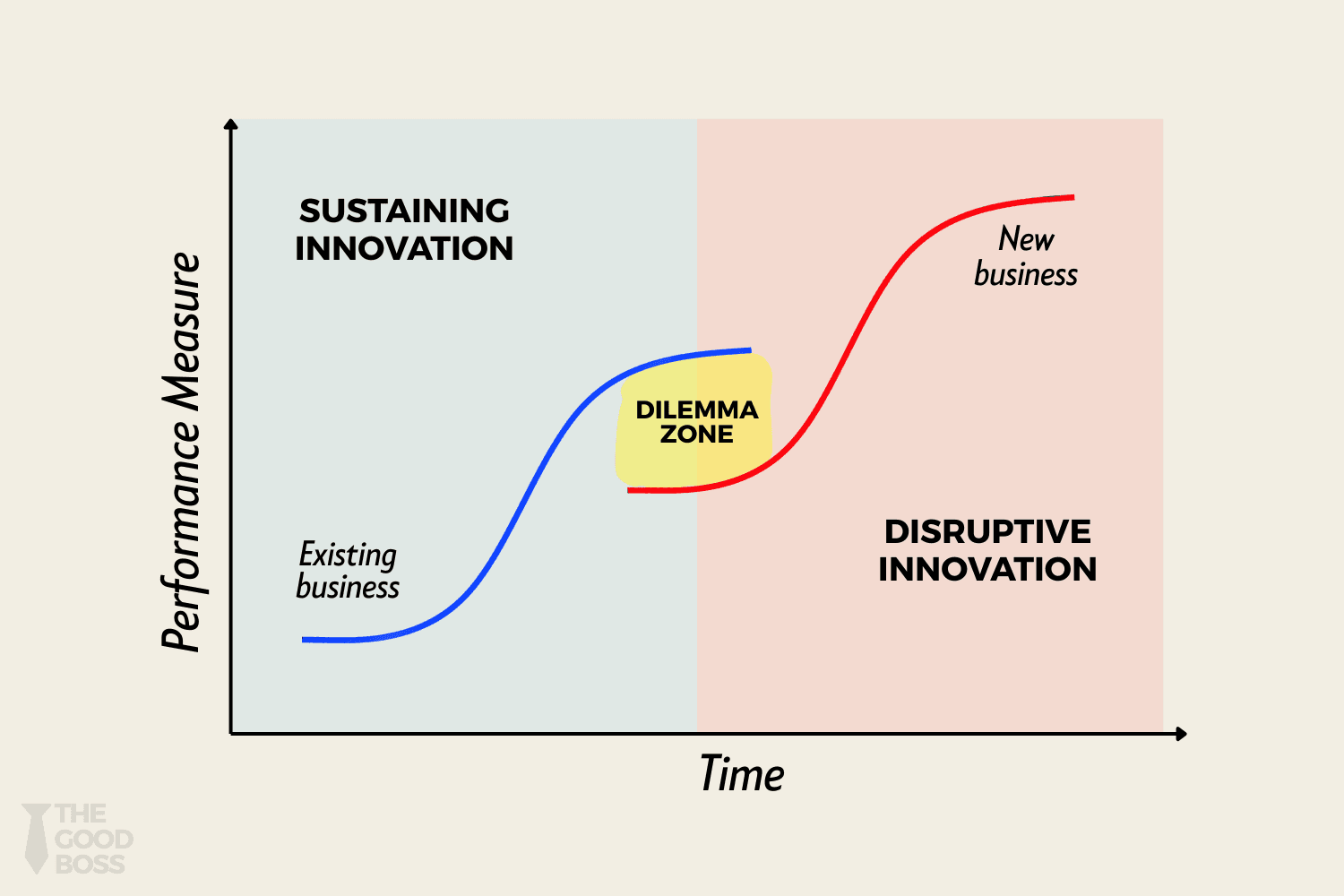
HubSpot has designed its CRM over the last two decades around automation features that require users to build automation blocks, notably through CRM workflows. They cannot change their entire system overnight to become AI native without destroying their product and also breaking a whole economy of HubSpot integrators, which are key to HubSpot's growth ecosystem.
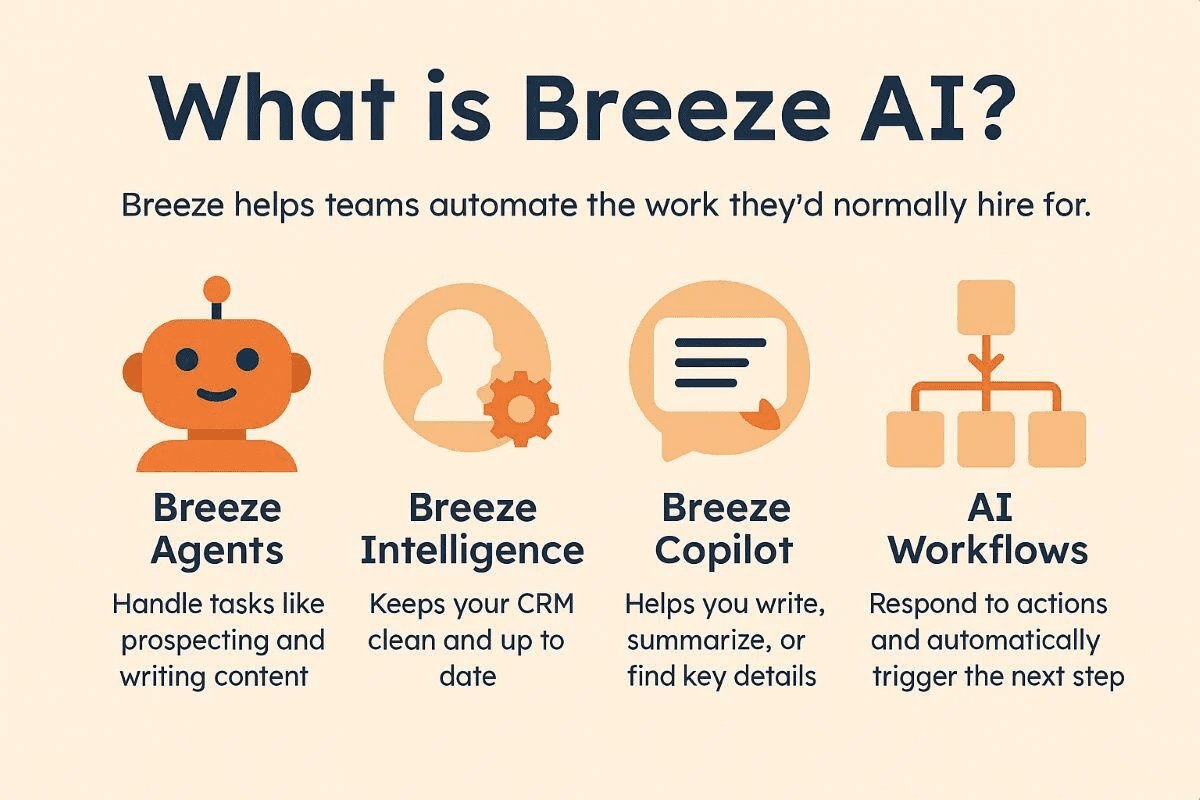
Therefore, HubSpot had to build separate products to release AI CRM features, and this is how we ended up with Breeze AI, HubSpot's AI layer.
According to this Reddit thread, user testimonials and other sources, Breeze is mostly a fad. Most AI features are what I would call "AI fluff" in the sense that they do not fundamentally help CRM users save time on core tasks. Instead, Breeze focuses on summarizing what happened with your leads and suggesting AI follow ups 🤖. In my opinion, this represents maybe 10 percent of what a true AI native CRM should do. These features help with minor tasks but do not solve the main problem of CRM usage, which is that manual data entry takes time.
The pricing problem makes it worse. HubSpot starts cheap and scales fast: you pay per seat, then again for marketing contacts, then again to unlock proper sales features, then again for native integrations. By the time you've added 3 seats and a couple of features, you're at hundreds of dollars per month. Marco Scuri (founder of SPEM) put it well in a LinkedIn comment about why he picked Breakcold:
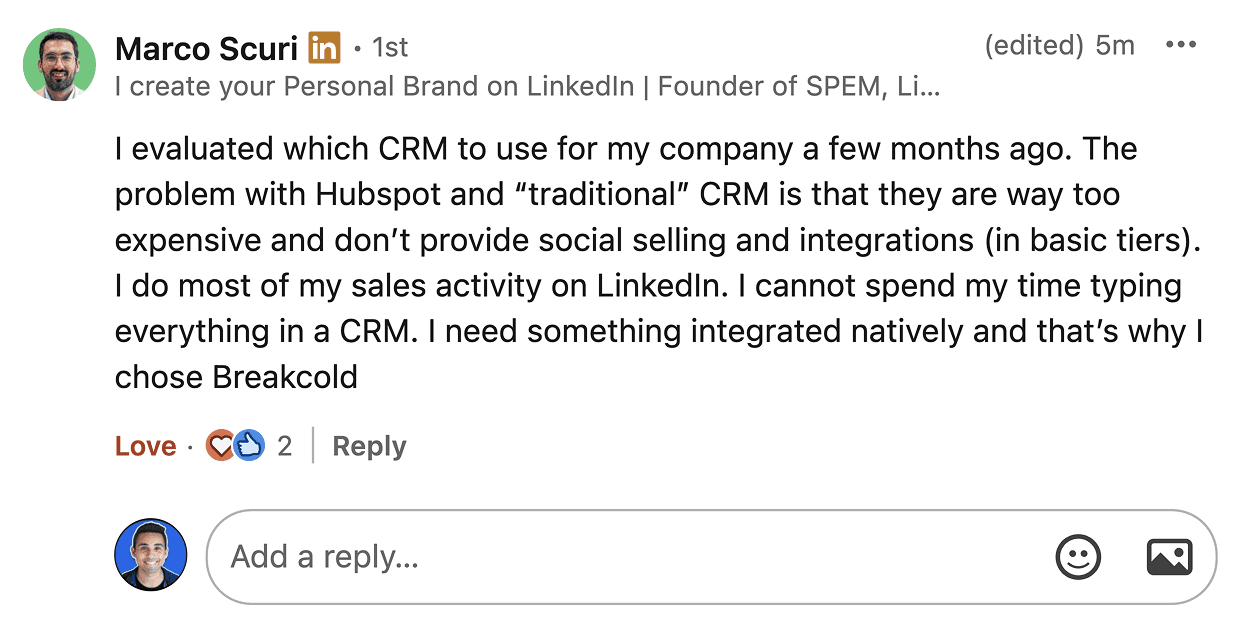
That is why, at least at the time of writing this article in 2026, HubSpot is not a viable CRM for the AI world, especially if you are a small to mid sized sales team.
Alternative #1: Breakcold, the AI native CRM for modern SMB sales teams
Breakcold is not a 1 to 1 replacement of HubSpot. We don't do the marketing hub, we don't try to. But for the sales side, for teams of 5 to 30 people, it's a much better fit. We also pick up a lot of solopreneurs with virtual assistants on top.
Pros
Compared to HubSpot:
Breakcold is a real AI native CRM. Leads move automatically in the pipeline based on what actually happens in your conversations. No workflow trees to build, no decision blocks to maintain 🤖.
Tasks are auto created across email, phone, LinkedIn, WhatsApp and Telegram. To my knowledge, Breakcold is the only sales CRM with native multichannel coverage at this depth ⚡️.
Breakcold records your meetings, like HubSpot, but also helps you prepare for them with AI meeting briefs you can fully customize 🎥.
Breakcold also includes the traditional AI features: AI summaries of leads, AI suggested emails or messages, AI deduplication of contacts.
Breakcold has one of the strongest MCP servers in the category. You can connect Claude or ChatGPT directly to your CRM and ask for reports, pipeline updates, or follow up drafts in plain English.
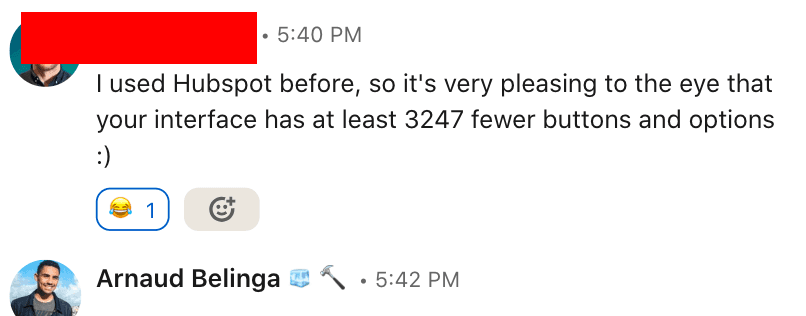
On the UX side, every former HubSpot user I've talked to says the same thing: Breakcold is dramatically simpler. One of them put it best:
"I used HubSpot before, so it is very pleasing to the eye that your interface has at least 3247 fewer buttons and options :)"
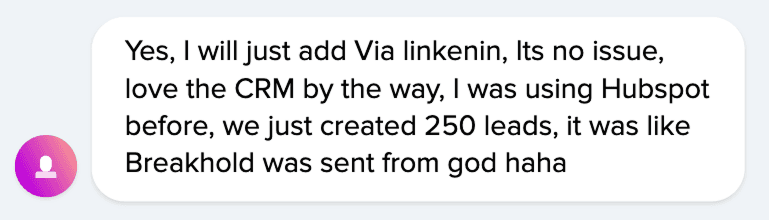
Another HubSpot refugee told me: "Yes, I will just add via LinkedIn, it's no issue, love the CRM by the way, I was using HubSpot before, we just created 250 leads, it was like Breakcold was sent from god haha"
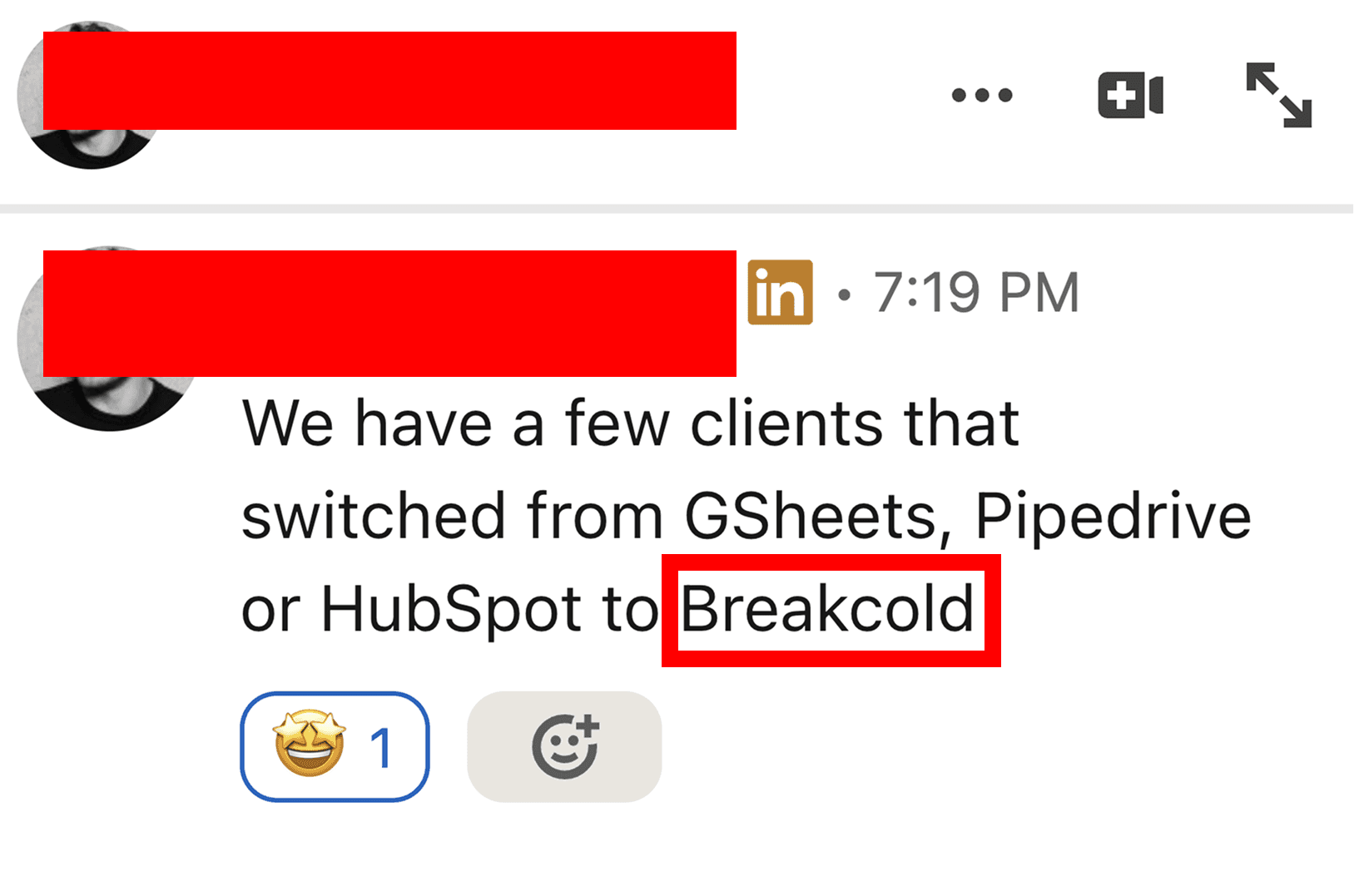
And the CEO of Surfe, a reputable app that connects to CRMs, told me on LinkedIn: "We have a few clients that switched from GSheets, Pipedrive or HubSpot to Breakcold."
Pricing that actually makes sense
This is where Breakcold really separates from HubSpot.
The traditional CRM model is brutal: you pay a high price per seat, then you pay extra for LinkedIn or WhatsApp integrations through tools like Surfe, then you pay another vendor for enrichment, then another one for AI. By the time you're set up, you're at $300 to $500/mo per user.
Breakcold uses a flat $99/mo plan with sliders. The math is honest:
A new seat costs $10/mo, not $99/mo.
You don't pay $39 to $59/mo extra for a LinkedIn, Telegram or WhatsApp integration: they're native.
You don't pay $100/mo for a separate enrichment tool: it's built in through a waterfall enrichment system.
A team of 5 on Breakcold is $139/mo, where Attio, Pipedrive and HubSpot Sales Hub run about $500/mo for 5 seats with similar features.
For agencies and lead gen teams running multiple clients, the workspace model is a separate win: one CRM, multiple client workspaces, roles and permissions so team members only see what they should 🧑💻.
Cons
Breakcold doesn't try to beat HubSpot if you're a large company 🏢.
If you are a digital marketing agency, an early stage startup or a consultant, Breakcold is perfect for you. If you are a Fortune 500 company with deeply customized HubSpot workflows, Breakcold is not a fit.
You also cannot build extremely complex automations with Breakcold. The only automations are AI native ones. You cannot draw massive decision trees the way you can in HubSpot. For most sales teams that is a feature, not a bug, but worth knowing.
Finally, Breakcold will not have as many native integrations as HubSpot 🔌. The gap is real, but the most common ones (Slack, Apollo, Smartlead, Instantly, Lemlist, Clay, Make, Zapier) are covered.
Other key features of Breakcold compared to HubSpot
Auto lead movement: leads move automatically based on your interactions. Zero setup, the AI understands the context on its own.
Auto task creation: monitors your interactions and creates the right follow ups so you never lose momentum.
Vision Builder: by default leads move based on how you named your lists and pipeline stages. If you want more control, you describe the rules in natural language.
AI dashboard: a self updating view that surfaces the most important tasks for the day.
AI personalities: pick a personality aligned with your goal (founder selling, agency owner, account manager) and the dashboard adapts.
AI reasoning: every suggested task comes with context, so you know exactly why it matters today.
AI suggested messages: next message drafts that match your tone of voice, for email and social.
AI rules: add rules to each pipeline step for deeper customization.
AI deduplication: automatically identifies and merges duplicate contacts.
Built in enrichment: BetterContact powered waterfall enrichment for verified B2B emails and phone numbers.
AI notetaker: native recorder plus integrations with Otter, Fireflies, TL;DV and Fathom.
5-channel unified inbox: email, LinkedIn, WhatsApp, Telegram and calls in one place.
Social engagement stream: like, comment and engage with your leads' posts from inside the CRM.
20+ native integrations: Slack, Apollo, Smartlead, Instantly, Lemlist, Clay and more.
Alternative #2: Close, the AI CRM for cold callers
Close is the best AI alternative to HubSpot if you live on the phone, especially for outbound calling.
Pros
Close has the advantage of a sharp, unique positioning 🎯.
Like Breakcold, it's strong on multichannel, but it leans heavily on email, calling, SMS and WhatsApp. HubSpot doesn't cover WhatsApp or SMS natively, so this is an immediate win for Close 📲.
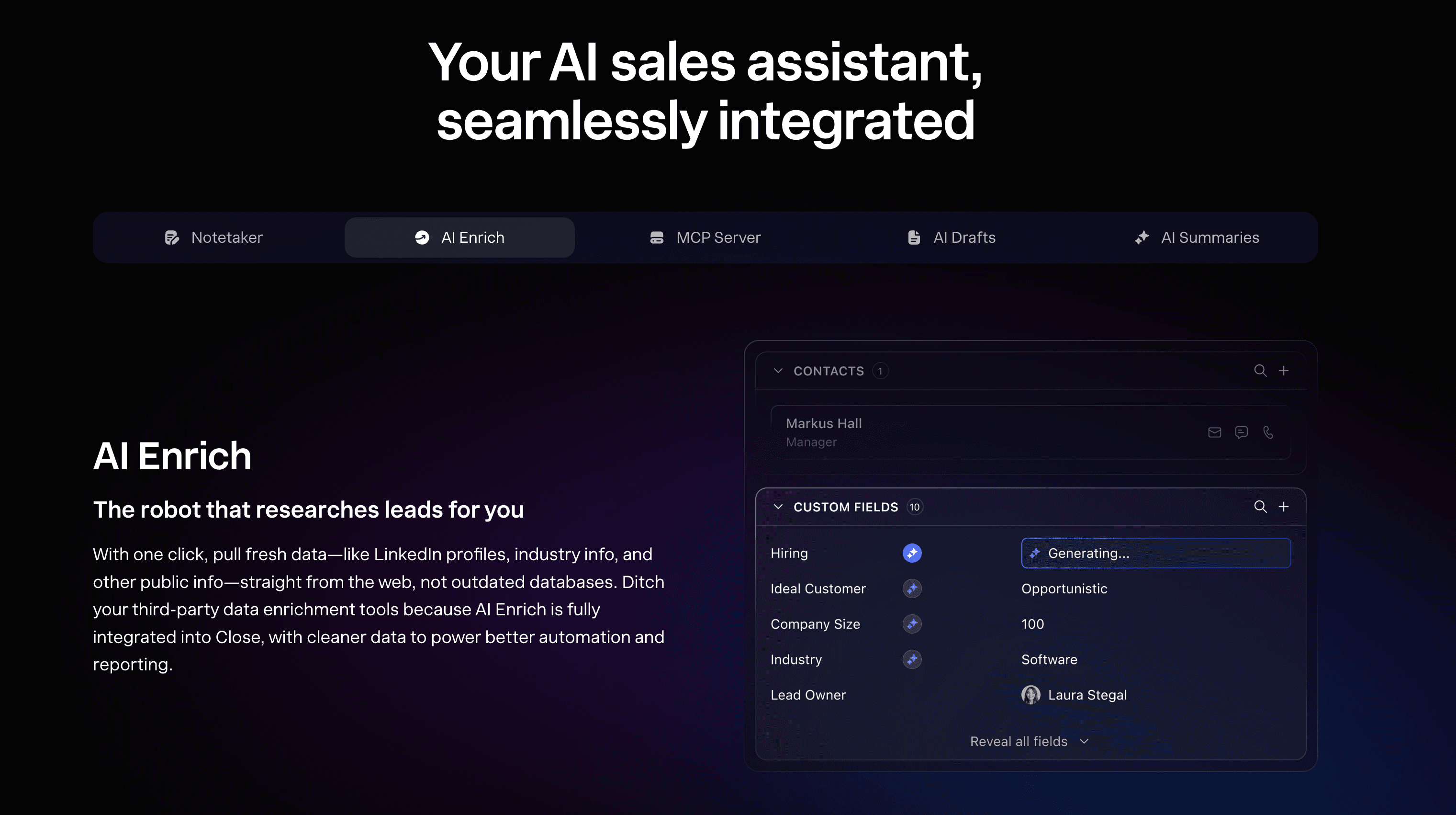
The most interesting part is the AI side. Close can analyze your sales calls in depth, so you can coach reps based on actual conversations. There are also ChatGPT integrations that let you chat with the CRM and give it instructions to update leads. It feels native, even though Close has been around for more than a decade and still has the same kind of technical debt as HubSpot when it comes to adding AI deeply 🤖.
Because calling is native, you don't need to pay a third party softphone or add on, which is a real cost saving versus HubSpot.
Cons
Close is less flexible than HubSpot. It's a simpler product, which is sometimes a feature and sometimes a limitation ⚖️.
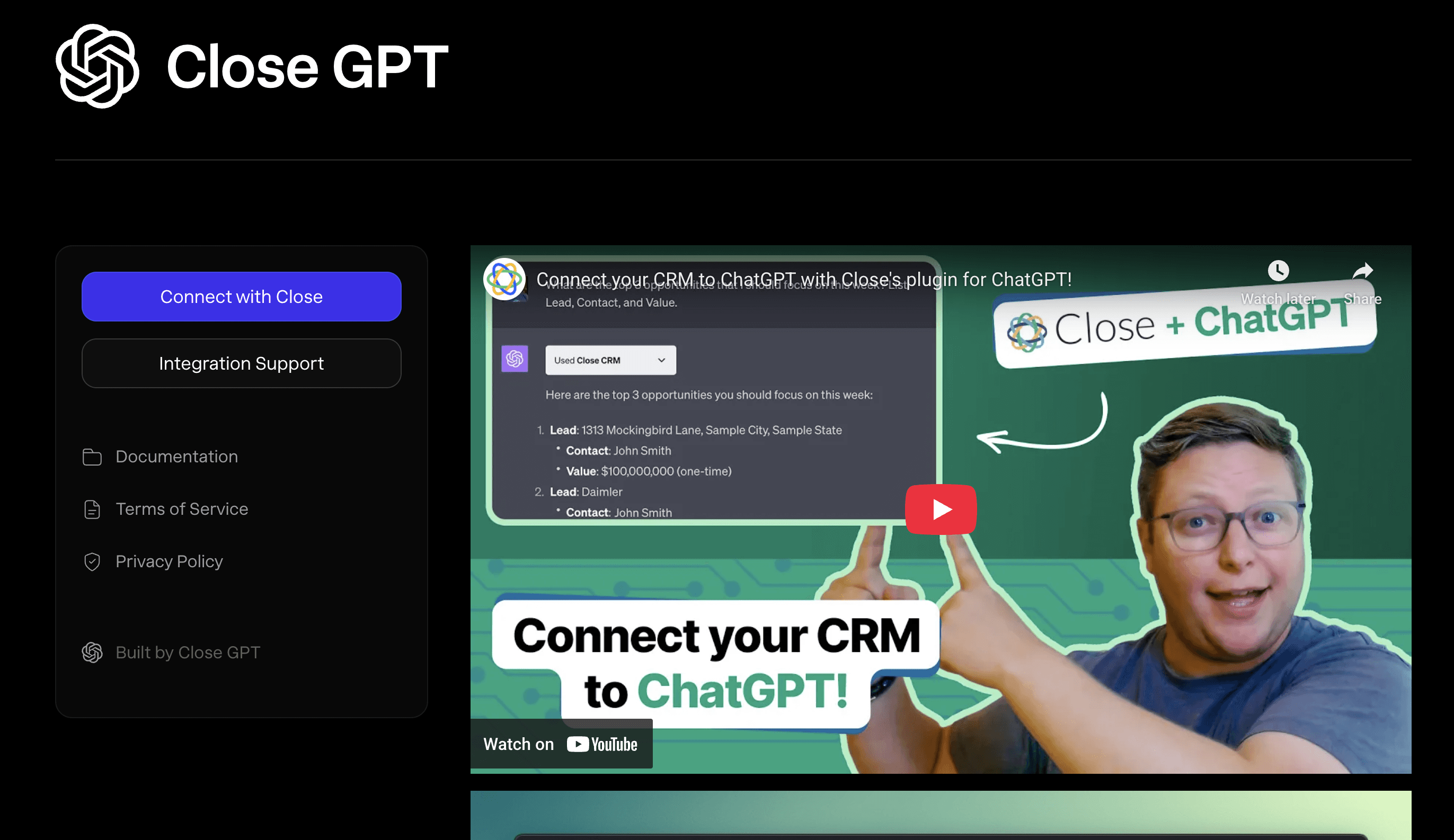
As I mentioned, Close is a decade old, so the AI lives on top of the existing model through integrations like ChatGPT. The CRM doesn't update itself automatically the way Breakcold does. So Close is a real AI alternative to HubSpot, but not a deep AI native one.
Close also has fewer integrations than HubSpot. The ecosystem is still solid, so this is not a deal breaker.
Alternative #3: Attio, the AI CRM for PLG startups
Attio is the rising AI CRM for technical teams and is becoming a serious alternative to HubSpot, especially for product led startups.
Pros
Attio is as flexible as HubSpot, with a powerful custom fields and custom objects system ⚙️. Their data model is honestly one of the best in the category, on par with what HubSpot offers.
The best part about Attio is its CRM workflows. Unlike traditional CRMs, Attio lets you drop AI blocks directly into a workflow. So you can use AI to take decisions at crucial steps. For example, if you're importing leads via a webhook, you can add an AI block that does ICP qualification based on rules you define, so only good leads continue down the pipeline 🤖.
This is something HubSpot simply cannot do today.
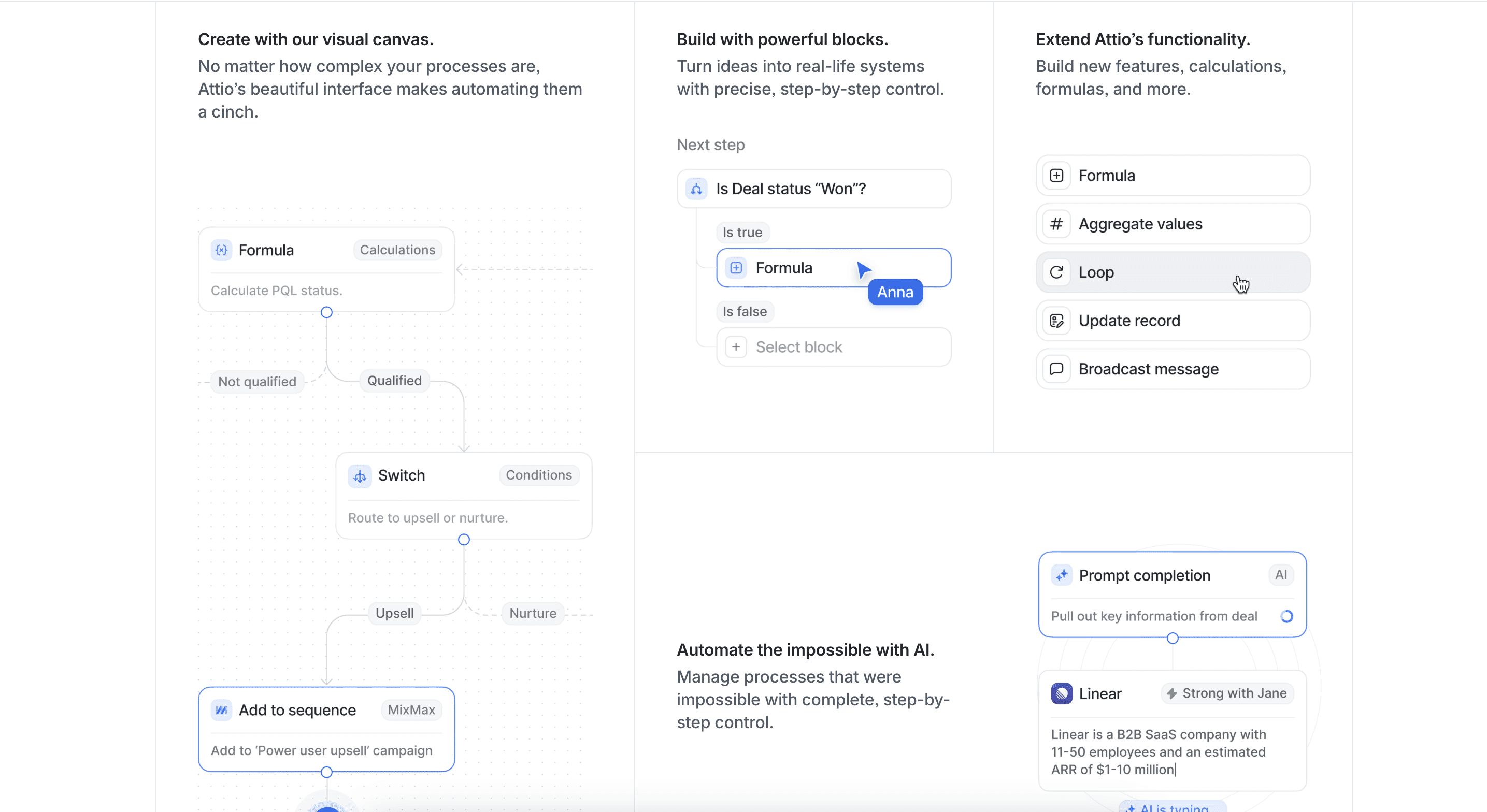
Like Breakcold and Close, Attio has a native AI notetaker that records meetings on Teams, Zoom and Google Meet 🎥.
Cons
Attio can become very complex, and you might need an Attio integrator or expert to set it up properly. Otherwise, it's easy to get lost in the data model 🧭.
Attio's AI is not native in the Breakcold sense. The CRM does not update itself based on conversations: you still need to build workflows to get value out of the AI blocks. The setup looks closer to HubSpot than to a real AI native experience.
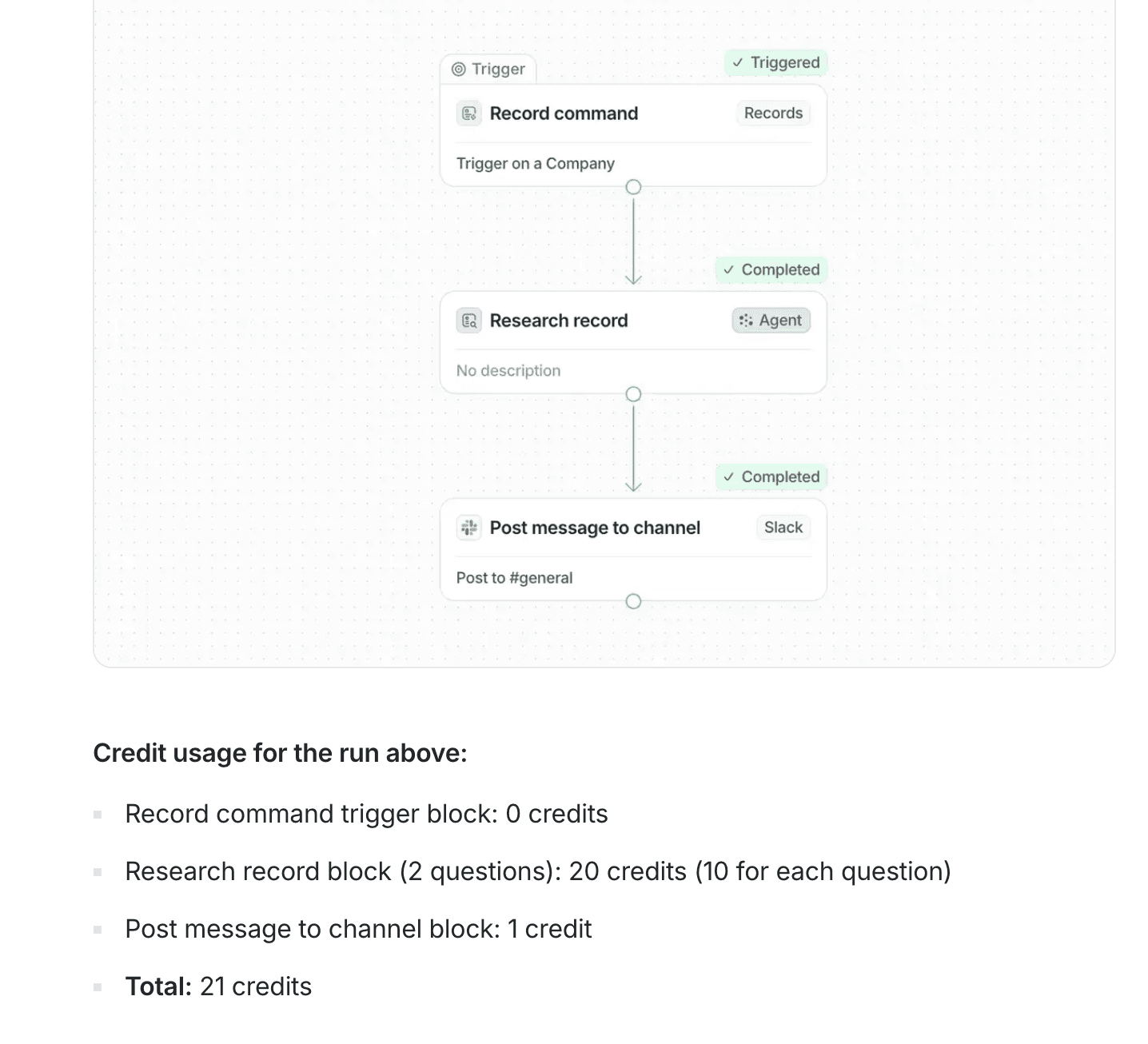
Pricing also scales quickly. To unlock the best features you move to the $86/mo plan, and automation usage runs on a credit system that can climb fast, sometimes higher than a HubSpot subscription 💸.
Alternative #4: Pipedrive, the legacy SMB pick that hasn't really moved
Pipedrive was awesome in 2010. For a long time it was the obvious SMB choice if you wanted a pipeline view that wasn't Salesforce. Then the PE acquisition happened and the product slowed down.
Pros
Pipedrive is stable, well known, has a mature integration marketplace, and the visual pipeline UX is genuinely good if all you want is a Kanban view of deals.
If you're a 1 to 3 person team that doesn't care about AI and just wants the simplest possible deal tracker, it still works.
Cons
The honest take: Pipedrive was good in 2010 but in 2026 it's basically over. Their AI features are bolt-on, the multichannel coverage is poor, and most innovation in the SMB CRM space has moved past them.
I get migration messages from Pipedrive users almost weekly. One of them summed it up well:
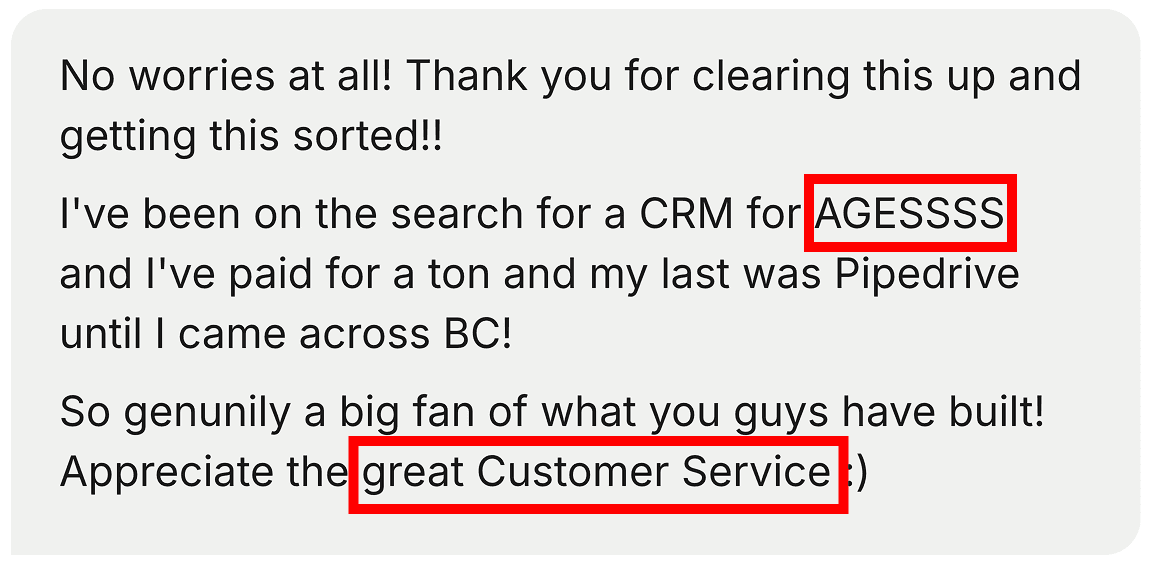
If you're already on HubSpot and shopping for a modern alternative, Pipedrive is not where you should land. It's the same generation of product. Pick a true AI native CRM instead.
Alternative #5: Folk, the lightweight pick for solopreneurs
Folk is the rising CRM for solopreneurs and small founder-led teams. Beautiful UI, opinionated UX, marketed heavily on LinkedIn 🎨.
Pros
Folk is genuinely nice to use. The Chrome extension is decent, the contact model is clean, and for someone who needs a glorified contact database with a bit of pipeline, it does the job.
For a solopreneur managing 50 to 200 relationships, Folk is a fine pick.
Cons
Folk is positioned as LinkedIn-friendly, but in practice you have to click on buttons to synchronize conversations to Folk. With Breakcold, LinkedIn conversations sync automatically into the CRM. Same for WhatsApp and Telegram.
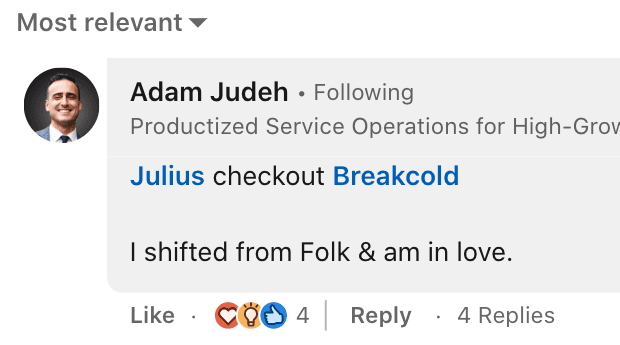
Folk also struggles when you grow into a real sales team. We get a steady stream of Folk migrations once teams hit 3 to 5 people:
If you want a one-liner: Folk is for solopreneurs, Breakcold is for proper salespeople. If you're coming from HubSpot because the team has outgrown a marketing-led CRM, Folk is not a step up.
Honorable mentions
A few other names show up in the AI CRM conversation around HubSpot. None of them earned a full section, but they are worth knowing:
Salesforce: still the giant for enterprise. If you're on HubSpot because Salesforce was too much, going back to Salesforce makes no sense.
Clarify: AI native pitch, but currently limited to automating one pipeline at a time. Most sales teams run multiple pipelines.
Day AI: strong YC/SF brand, growing fast, more of a smart inbox than a full CRM right now.
Lightfield: framed as a fully AI native CRM, but feels closer to a copy of Attio with an AI layer on top.
Copper, Streak: Google Workspace-native CRMs, fine if you live in Gmail, but not innovating on the AI front.
The funny part is that employees of most of these CRMs have actually signed up to try Breakcold themselves. The internal trial roster includes emails from HubSpot, Salesforce, Attio, Clarify, SugarCRM and Monday:
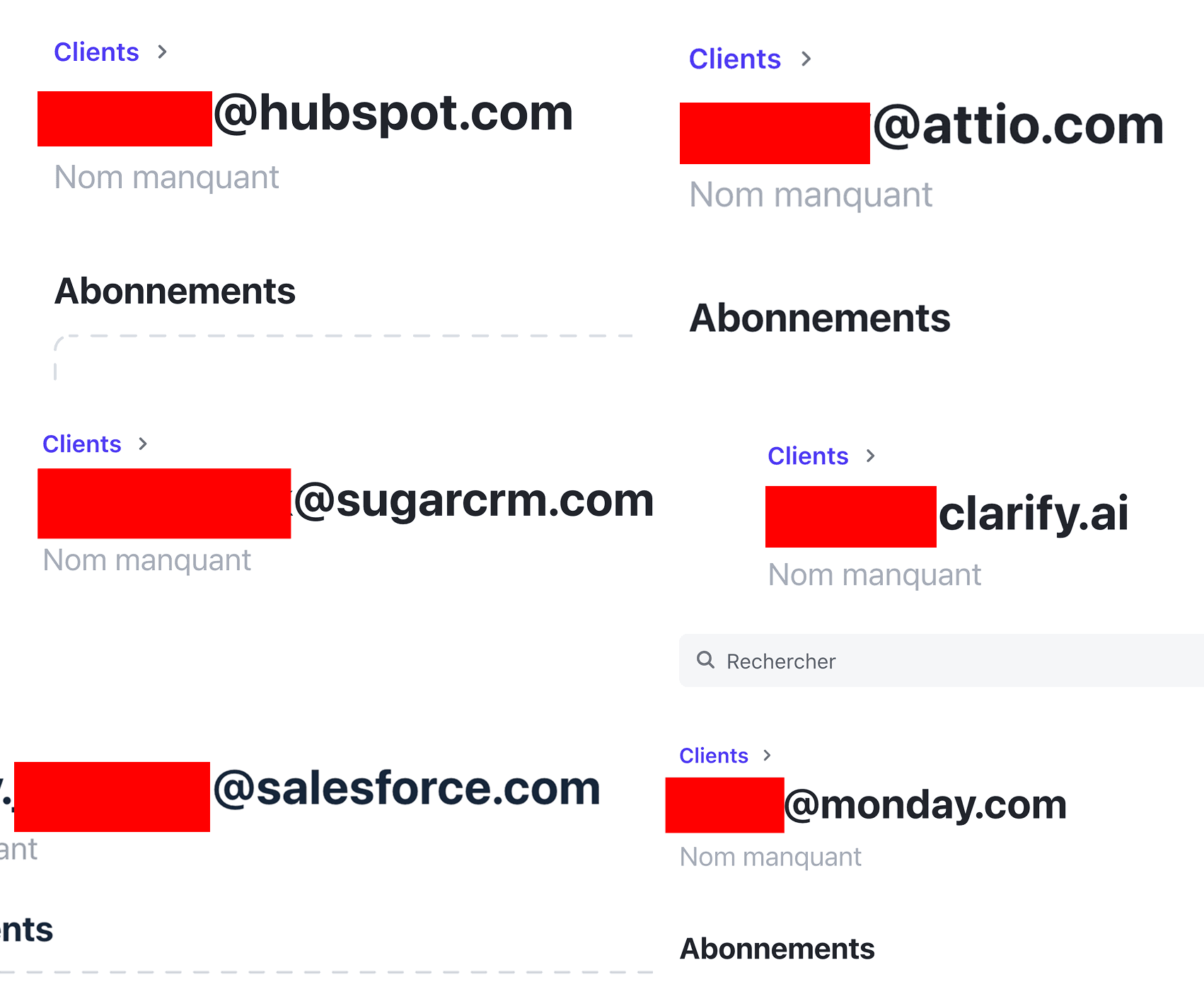
Not a customer list, a competitor list. Reads like every player in the category is paying attention.
So which AI CRM alternative to HubSpot should you pick?
Quick filter to decide:
You sell on LinkedIn, email, WhatsApp or Telegram and want the CRM to do the admin work for you: Breakcold.
You sell on the phone and your team needs a native dialer plus call coaching: Close.
You're a PLG startup with engineers, you want custom objects and AI inside workflows: Attio.
You're a solopreneur tracking 100 relationships and you want something pretty: Folk.
You want what Pipedrive was in 2010, but with AI agents: Breakcold again. That's literally the brief we set ourselves.
If you want to go deeper on the agent angle, our roundup of the best CRMs with AI agents covers how each of these tools handles autonomous CRM operation, not just AI features bolted onto a UI.
HubSpot is not going to disappear. It will keep dominating the upper SMB and mid market, especially for marketing-led teams. But for sales-first teams of 5 to 30 people that want a CRM running on AI rails instead of workflow trees, the answer is clearly not HubSpot in 2026 🚀.
Frequently asked questions

Written by
Arnaud Belinga · Co-Founder & CEO at Breakcold
Arnaud is the Co-Founder & CEO of Breakcold, the AI Native CRM for sales teams of 5 to 30+ people.